
The Employee Invention Act
What you need to know
The German Employee Inventions Act (ArbnErfG) intervenes in the relationship between employer and employee as soon as employees make protectable inventions in the course of their work for the employer, so-called service inventions.
The law first regulates what constitutes a service invention. Service inventions are also distinguished from free inventions. It then regulates how service inventions are to be formally treated and which rights and obligations the employer and the employee have mutually in connection with service inventions.
In addition, principles of remuneration for service inventions are established.
It also deals with technical improvement proposals from employees, which can be considered a kind of small service invention.
Arbitration Board at the German Patent and Trademark Office
In addition, regulations are specified which apply in the event of disputes between employers and employees concerning the correct treatment of service inventions. An arbitration board at the German Patent and Trademark Office (DPMA) is provided for such cases, which can be contacted.
Among other things, the Arbitration Board has the important task of avoiding burdensome legal disputes between the employee and the employer as far as possible.
Finally, the Employee Inventions Act receives special regulations for certain groups of employees, in particular employees in the public service, civil servants and soldiers.
Patent attorneys support employees in all questions concerning the procedure and, for example, in the formulation and enforcement of corresponding contracts.
But the ArbnErfG is also intended to have a motivating effect: Employees should make inventions, because this can increase the innovative capacity of companies.
The employee invention
We have compiled general information on employee invention for you in our blog article The Employee Invention.
Über Justus Kreuels:
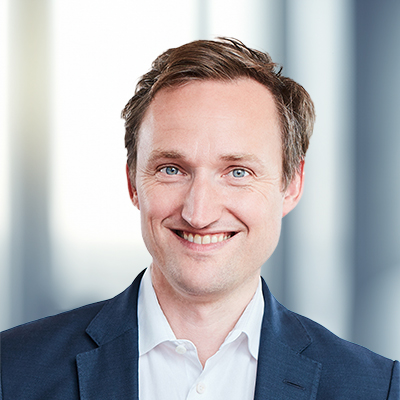
Justus Kreuels, Patentanwalt und European Patent Attorney, studierte Maschinenbau an der TU München und an der RWTH Aachen. Er setzt sich verstärkt für die Durchsetzung von Schutzrechten aus dem Bereich Informatik, Internet of Things (IoT), Robotik, etc. in Deutschland ein.